
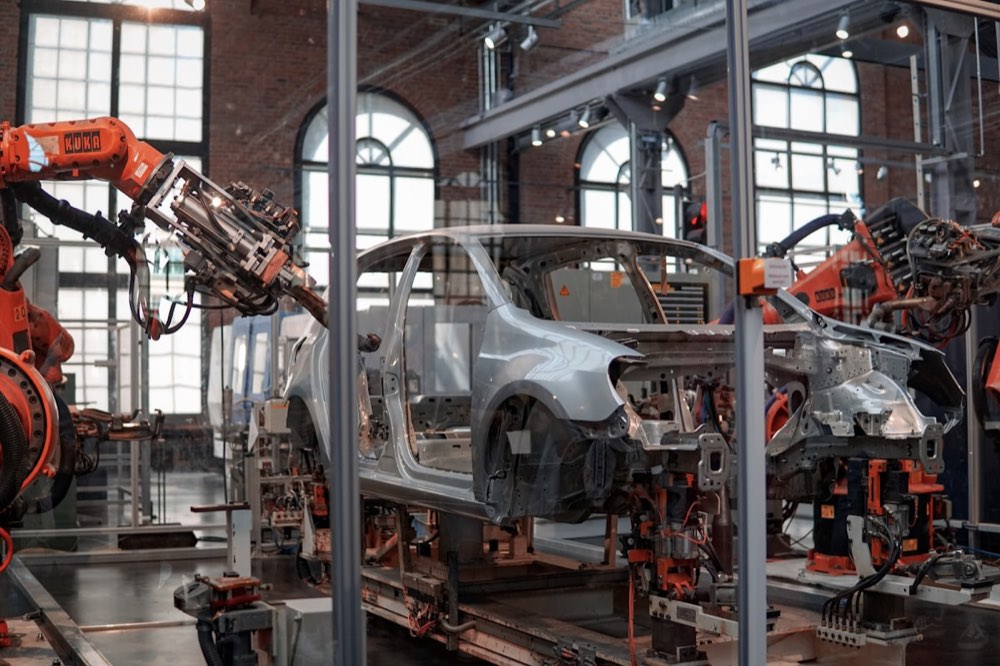
ERP that joins your materials, production, and shop floor.
With no gaps.
Product recipes with version control. Material planning that catches shortages before the line stops. Quality trace from supplier lot to customer pallet.
8 wks
Typical go-live
Per batch
Live costing
Full
Batch trace
Common Challenges
The problems you already know.
Product recipes in spreadsheets. Production cost found at month-end. Quality rejects with no way to trace the cause. ERP fixes this, but only if it's set up the way a factory really works, not a generic template.
Raw material shortages stopping the line with no warning
Production plans set without checking with buying. Materials run out mid-run. Emergency orders at premium prices. Targets missed. Customer deliveries late.
How we solve it
Material planning works out what's needed for each production run against current stock and open orders. Shortages flagged before the line starts, not after it stops.
Cost of production unknown until month-end
Raw material cost, labour, machine time, and scrap tracked in different places or not at all. You find out what a batch really cost weeks after it shipped.
How we solve it
Work orders pull in every cost live: materials issued, labour booked, overhead applied. Cost per batch or work order is there the moment the order closes.
Quality rejects with no way to trace the cause
A batch fails quality. You don't know which raw material lot caused it. Customer returns can't be traced to a production run. Every investigation is manual and goes nowhere.
How we solve it
Quality check set up at goods receipt, in-process, and final inspection. Every batch linked to the raw material lots that went into it. A reject traces back to supplier, purchase date, and production run in two clicks.
Product recipes held in spreadsheets outside the system
Engineering changes don't show up in production cost. Production and buying use different recipe versions. Gaps between estimated and real material cost never explained.
How we solve it
Product recipes (BOMs) held in one place with version control. Engineering changes create a new version. Production always pulls from the approved recipe. Reports compare real material use against the recipe standard.
How It Works
Your production, start to finish, in one system.
From sales order to customer delivery, every step in one place with costs tracked throughout.
Sales Order
Customer order kicks off the production plan. Finish date drives the schedule backwards.
Material Planning
System works out material needs. Shortages flagged. Purchase orders suggested.
Work Order
Work order sent to the shop floor. Materials set aside. Steps booked by workstation.
Production
Operators log job cards per step. Material use recorded. Work-in-progress tracked live.
Quality Check
Finished goods checked before they go to the warehouse. Rejects trigger rework or scrap.
Delivery
Finished goods moved to the sales warehouse. Delivery note raised. Customer invoice raised.
ERPNext Modules
What we set up for your trade.
Not every part of the system matters for manufacturing. These are the ones that do, set up for your production, not a generic factory template.
Bill of Materials
Product recipe (BOM) management in one place. Version control, multi-level assemblies, scrap factors per step.
- Multi-level recipes for assemblies and sub-assemblies
- Recipe versions with change history and approval steps
- Scrap and yield factors per step for accurate pricing
Production Planning
Demand-driven production schedule with auto material need worked out and purchase suggestions.
- Production plan made from sales orders or forecast
- Material planning works out the net need after current stock
- Planned purchase orders raised for shortages
Work Orders
Shop floor work from order release to step-by-step completion. Job cards tracked live.
- Work order with steps, workstation, and time estimates
- Job cards for operators with time logged per step
- Work-in-progress tracked across stages
Raw Material & Inventory
Material set aside against work orders, use tracked, scrap recorded. All linked back to production cost.
- Material set aside against the work order before production starts
- Material issue linked to work order and batch
- Scrap recorded and posted to production cost
Quality Control
Check points at goods receipt, in-process, and finished goods. Full batch trace across the line.
- Check templates per item and step
- Goods receipt held until the check is passed
- Full batch trace from supplier lot to customer delivery
Cost of Production
Live total of material, labour, and overhead per work order. Reports show gaps against the recipe standard.
- Material, labour, and overhead cost per work order
- Real vs standard cost gap per batch
- Finished goods value updated on work order close
Questions
Questions manufacturers ask us.
How does the system handle multi-level product recipes?
Multi-level recipes work out of the box. You set each sub-assembly as its own recipe, and the parent recipe references the sub-assembly. When a production plan or work order is made for the finished product, the system breaks the recipe down to every level and works out material needs for every part. You can build sub-assemblies on their own or as part of the parent run.
Can the system stop raw material shortages?
Yes. Material planning works out what raw materials and sub-assemblies are needed from your production plan, then compares the need against current stock, materials in transit, and open purchase orders. Shortages are shown with a suggested order quantity and date. This runs in minutes and can be done any time.
Our customers have quality check rules. Can the system support this?
There's a quality tool with check templates, acceptance limits, and sampling plans. Set up required checks at goods receipt, in-process at specific steps, and final check before goods move to the sales warehouse. Check results are linked to the batch or serial number. Customer-specific check rules can be set at item or customer level.
How does cost of production work in the system?
When a work order is opened, the system makes a cost estimate from the recipe: raw materials at their current value, plus set labour and overhead rates. As production runs, real material issues, job card time, and overhead are booked against the work order. When the work order closes, real cost is compared to the recipe standard and the gap is posted to the right accounts. Finished goods are valued at real or standard cost based on your setup.
Do you handle subcontract manufacturing?
Yes. Subcontract work orders send raw materials to the subcontractor and receive finished or part-finished goods back. The subcontractor's service charge is added to the material cost to give you the full subcontract cost per item. Quality checks on received subcontract goods can be set up the same way as in-house production.
How long does setup take for a manufacturer?
Usually 7 to 10 weeks depending on how many recipes you have, how the quality steps work, and whether material planning is in scope from go-live or added in a later phase. We agree the scope and timeline up front.
Manufacturing ERP
Send us a finished product.
Send us one finished product, its recipe, and a recent quality reject. We'll show you exactly how the system would trace it from raw material to dispatch, using your real numbers. No generic demo.
We typically respond within a few hours during UAE business hours.